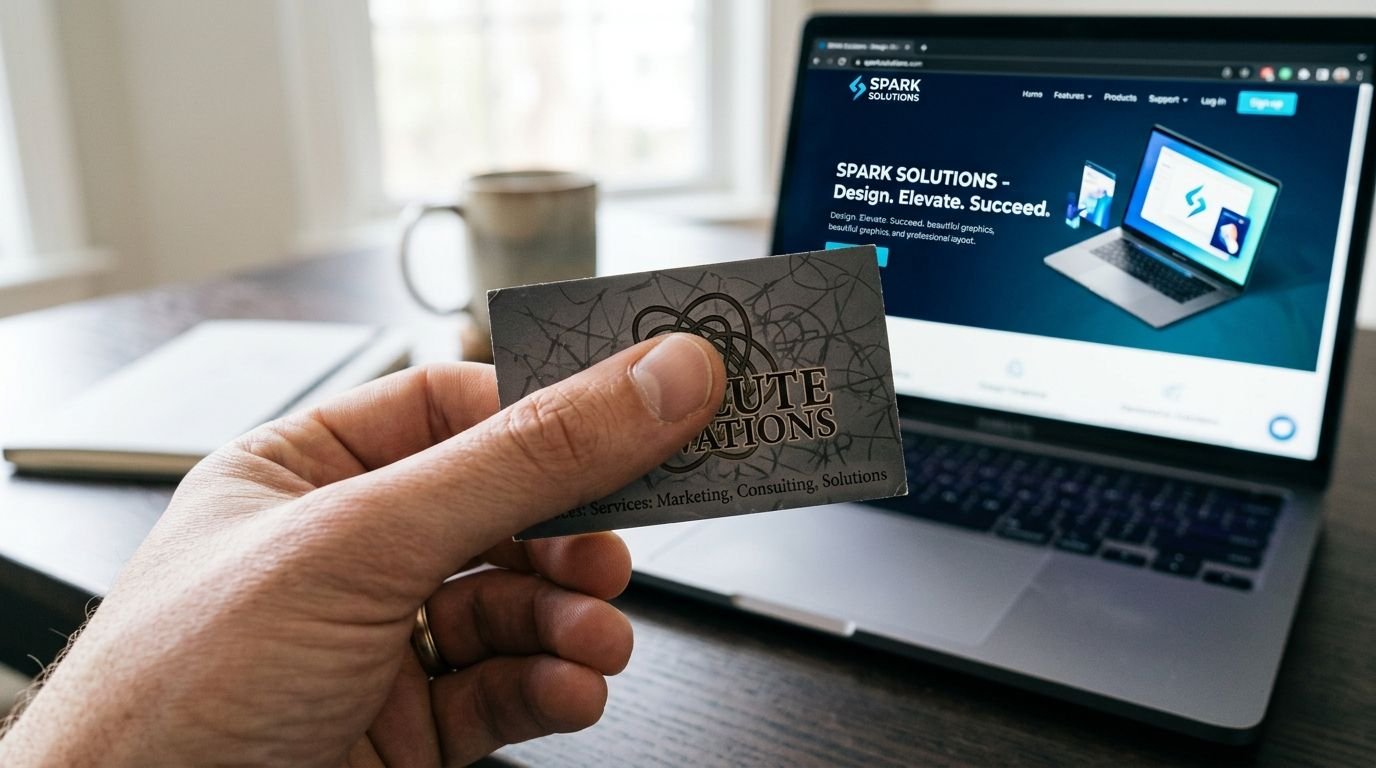
Tag: brand identity

  • Why Your Logo Is Costing You Clients

    Why Your Logo Is Costing You Clients

    Most business owners think of a logo as a nice-to-have – a small graphic in the corner of a website or the front of a business card. In reality, it’s doing something much bigger: it’s making a trust decision on your behalf before a single word of your pitch gets read.

    People form an opinion about a brand’s credibility almost instantly, often before they’ve read a headline or scrolled past the fold. A logo that looks unfinished, inconsistent, or generic sends a quiet signal: if the branding wasn’t taken seriously, why would the product or service be?

    The five ways a logo quietly repels clients

    It doesn’t scale. A logo that looks fine at business-card size but turns into a blurry smudge as a social avatar or favicon tells visitors the brand hasn’t been built for how people actually encounter it today – across a dozen tiny touchpoints, not one big one.

    It’s inconsistent. A different logo version on the website, the Instagram page, the invoice, and the storefront sign reads as disorganized, even if each individual version looks fine on its own.

    It’s generic. Stock icon plus a sans-serif wordmark is the fastest way to look like every other business that used the same template. Distinctiveness is what makes a brand memorable enough to be referred.

    It has no system behind it. A logo without defined colors, typography, and usage rules gets reinterpreted by every new designer, printer, or intern who touches it – and drifts further from the original intent every time.

    It doesn’t match the price point. A premium service with a bargain-bin logo creates cognitive dissonance. Visitors calibrate their price expectations visually before they ever see a quote.

    None of this means every business needs a six-figure rebrand. It means a logo should be treated as an asset with real commercial weight – one that either compounds trust with every impression, or quietly erodes it.
  • Brand Identity vs. Logo: What’s the Difference and Why It Matters

    Brand Identity vs. Logo: What’s the Difference and Why It Matters

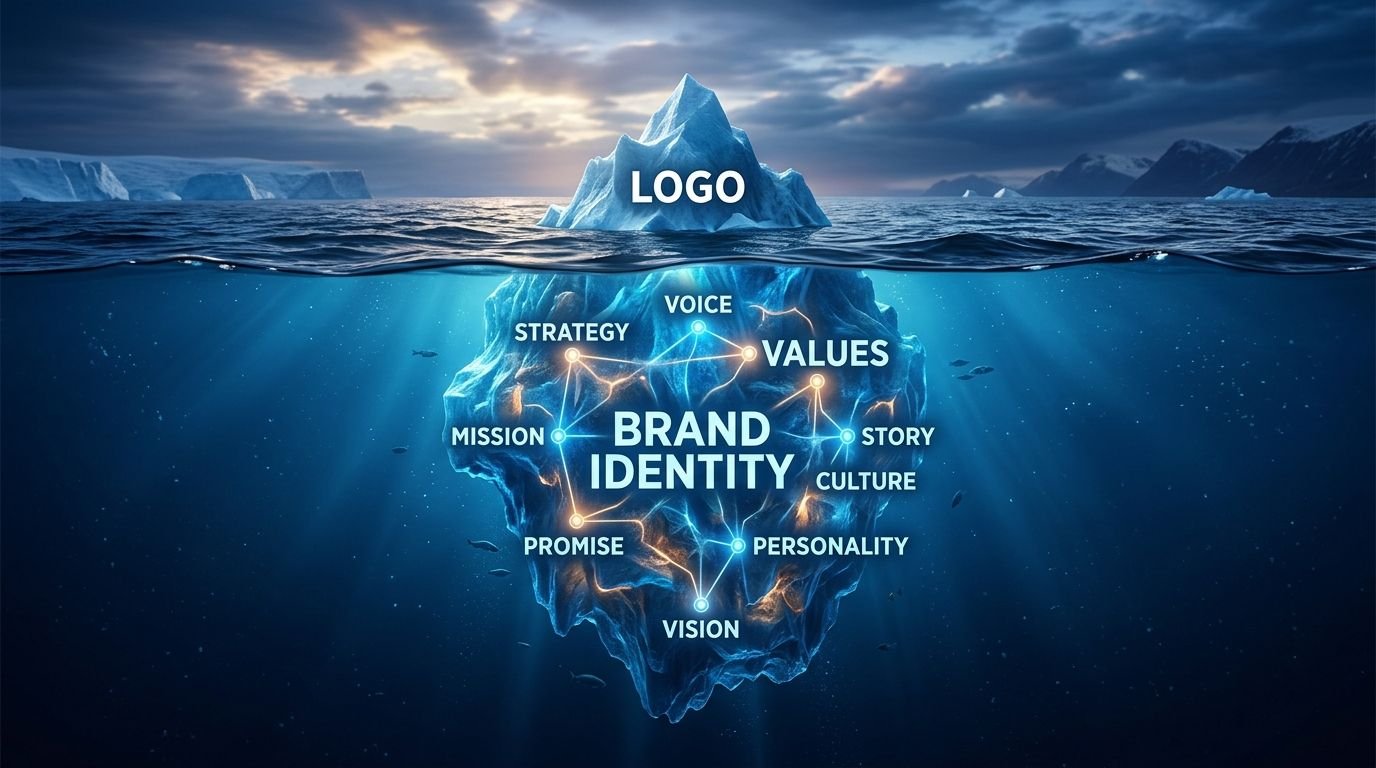
    “Can you design us a logo?” is one of the most common first messages we get – and it’s almost always really a request for something bigger. A logo is one asset. A brand identity is the system that makes that asset, and everything else the business puts out, feel like it belongs to the same company.

    What a logo actually is

    A logo is a single mark – a wordmark, symbol, or combination of the two. It’s the most visible piece of a brand, but on its own it can’t tell your team what color to use on a flyer, what tone to write social captions in, or how much white space to leave around it on a billboard.

    What a brand identity includes

    A full identity system defines the logo and the rules around it: a color palette with clear usage (not just “these five colors,” but which is primary, which is for accents, which is never used as a background), a typography system for headlines versus body text, an image and icon style, and often a short set of brand voice guidelines so marketing copy sounds consistent whether it’s written by the founder or a freelance copywriter six months from now.

    Why the difference matters commercially

    A business that only has a logo tends to look different everywhere it shows up – one font on the website, another on printed flyers, a slightly different shade of the brand color on packaging versus social posts. Individually, none of these feel like a big deal. Together, they quietly tell customers that the business isn’t fully in control of its own presentation.

    A defined identity system fixes this at the source. New team members, freelancers, and print vendors all pull from the same reference instead of guessing, and the brand starts compounding recognition instead of resetting it with every new touchpoint. If your business already has a logo but nothing written down about how to use it, that’s usually a sign the identity work – not another logo redesign – is the actual next step.